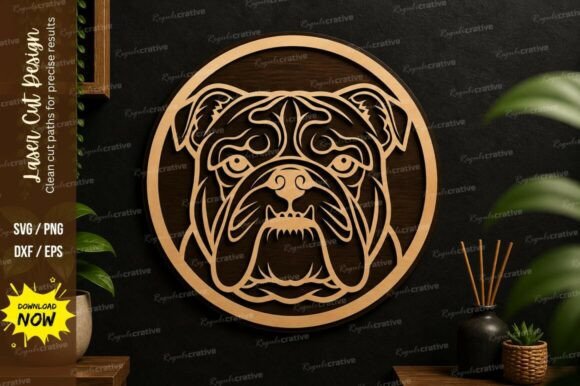
Bulldog Laser Cut Wall Art File: Precision, Versatility, and Quality for Every Project
If you're looking to elevate your DIY projects, custom signage, or home decor with professional-grade laser-cut designs, the Bulldog Laser Cut Wall Art File is a powerful tool that can transform your creative vision into reality. This premium design file set offers high-quality vector graphics in multiple formats, ensuring compatibility with a wide range of laser cutting machines and design software. Whether you're a hobbyist, small business owner, or professional designer, understanding how to use this resource effectively can make all the difference in your results.
Understanding What Makes the Bulldog Laser Cut Wall Art File Unique
The Bulldog Laser Cut Wall Art File is more than just a collection of images—it's a meticulously crafted set of design files optimized for precision and ease of use. It includes popular formats like SVG, EPS, PNG, and DXF, which are essential for different applications and machine types. These files are clean, well-structured, and ready to be resized without losing quality, making them ideal for a variety of materials such as wood, acrylic, metal, and paper.
For many users, the appeal lies in the versatility. The ability to work with multiple file types means you can choose the format that best suits your equipment and workflow. However, not everyone fully understands the importance of selecting the right file type for their specific needs, which can lead to inefficiencies or subpar results.
Common Mistakes When Working With Laser Cut Design Files
One of the most frequent mistakes people make is choosing the wrong file format for their laser cutter. For example, if you're using a machine that only supports SVG files, importing an EPS file might cause compatibility issues. Similarly, some users overlook the importance of file resolution when working with PNGs, leading to blurry or pixelated cuts that don't match the intended design.
Another common oversight is not checking the scale or dimensions of the design before cutting. Without proper scaling, even the most detailed design can end up too large or too small for the project at hand. This can result in wasted materials, extra time spent adjusting the design, or even a complete redo of the project.
How to Avoid Common Pitfalls
To avoid these issues, start by understanding the requirements of your laser cutting machine. Check what file formats it supports and ensure the Bulldog Laser Cut Wall Art File includes those formats. If you're unsure, look for a file set that offers multiple options, like the one provided here, so you can select the best fit for your setup.
Before cutting, always verify the size and proportions of the design. Many laser cutting software programs allow you to adjust the scale, but it's crucial to double-check the measurements against your project needs. For instance, if you're creating a wall art piece for a 24-inch space, make sure the design fits within that dimension without being stretched or compressed.
Why Quality Matters in Laser Cutting Designs
Not all laser cut design files are created equal. Some may have jagged edges, overlapping lines, or other imperfections that can affect the final outcome. The Bulldog Laser Cut Wall Art File is designed with clean, precise vectors that ensure smooth and accurate cuts every time. This level of detail is especially important when working with materials like acrylic or metal, where even minor errors can be visible and costly.
Some users may assume that any downloadable design will work, but this isn't always the case. Low-quality files can lead to uneven cuts, excessive material waste, or even damage to the laser cutter itself. By investing in a premium file set, you're not just saving time—you're also protecting your equipment and improving the overall quality of your work.
Practical Tips for Maximizing Your Experience
When downloading and using the Bulldog Laser Cut Wall Art File, take a few moments to review the contents and understand how each format can be used. For example, SVG files are great for web-based design tools, while DXF files are often preferred for CAD software. Knowing which file to use for your specific application can streamline your workflow and reduce errors.
Additionally, consider the purpose of your project. Are you creating something for personal use, a client, or a commercial product? The answer will influence how you approach the design, the materials you choose, and the level of detail required. For instance, a custom sign for a business may need a more polished and professional look compared to a simple home decor piece.
What to Check Before Making a Decision
Before purchasing or using the Bulldog Laser Cut Wall Art File, ask yourself a few key questions. Does the file set include the formats I need? Is the design suitable for the material I plan to use? Will the size and complexity of the design fit my project's requirements? Taking the time to evaluate these factors can prevent unnecessary frustration and ensure a successful outcome.
It's also helpful to read reviews or seek recommendations from other users who have worked with similar files. Real-world experiences can highlight potential issues or provide insights into the best practices for using the design files effectively.
Conclusion: Make Informed Choices for Better Results
The Bulldog Laser Cut Wall Art File offers a powerful combination of quality, versatility, and ease of use that can benefit creators of all skill levels. However, its effectiveness depends on how well you understand and apply the design files to your specific needs. By avoiding common mistakes, checking compatibility, and focusing on quality, you can unlock the full potential of this resource and achieve professional-level results in your projects.